
When it comes to planning a wedding, it's easy to focus on the big-ticket items. Your venue, catering, photographer, flowers and entertainment are usually some of the first things to make their way onto the budget spreadsheet. But what about all the little extras that sit alongside them?
Over the years, I've seen how quickly these additional costs can add up, particularly when they haven't been considered from the beginning. They're not necessarily unexpected expenses, but they're often the ones that couples don't think to factor into their initial budget.
As a Wedding Planner working across Cornwall, Devon and the wider South West, I always encourage couples to look beyond the headline supplier quotes and consider the bigger picture. A little forward planning can make all the difference, helping you feel confident in your spending and avoid any last-minute surprises.
So, let's talk about eight wedding costs you might be forgetting...
1. Wedding Insurance
Let's start with something that probably isn't top of your wedding planning wishlist, but is definitely worth considering early on.
Wedding insurance can provide valuable peace of mind should something unexpected happen during your planning journey. Depending on the policy you choose, this could include cancellation or rearrangement, supplier failure, damage to wedding attire, lost deposits or other unforeseen circumstances.
It's worth looking into wedding insurance shortly after securing your venue and beginning to book your suppliers. Some policies have specific requirements around when cover must be purchased, so don't leave it until the final few months.
My advice? Take the time to understand exactly what is and isn't covered, check the policy limits and make sure the level of cover reflects the scale of your wedding. It's one of those expenses you hope you never need, but you'll be glad you considered it.
2. Postage & Stationery Extras
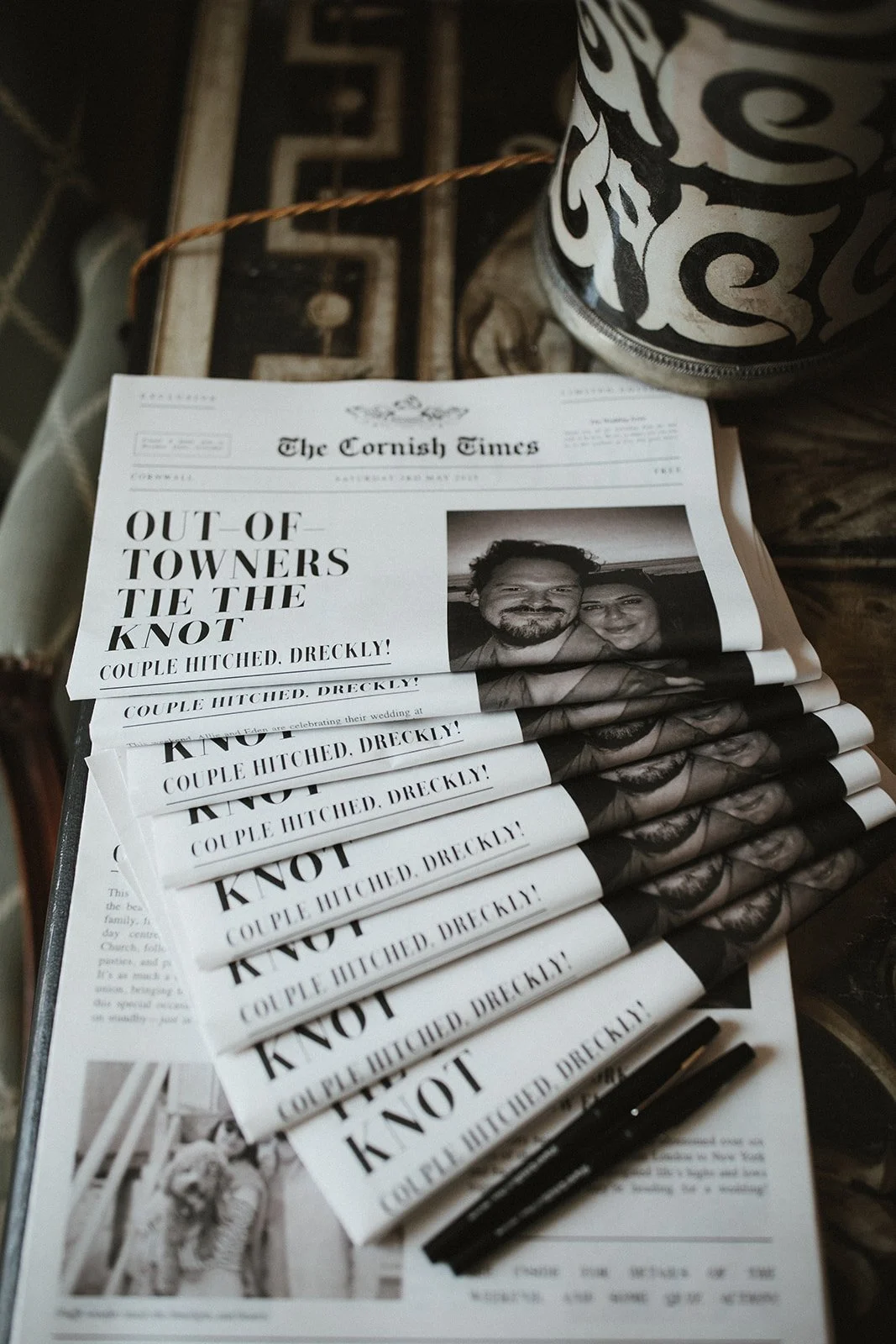
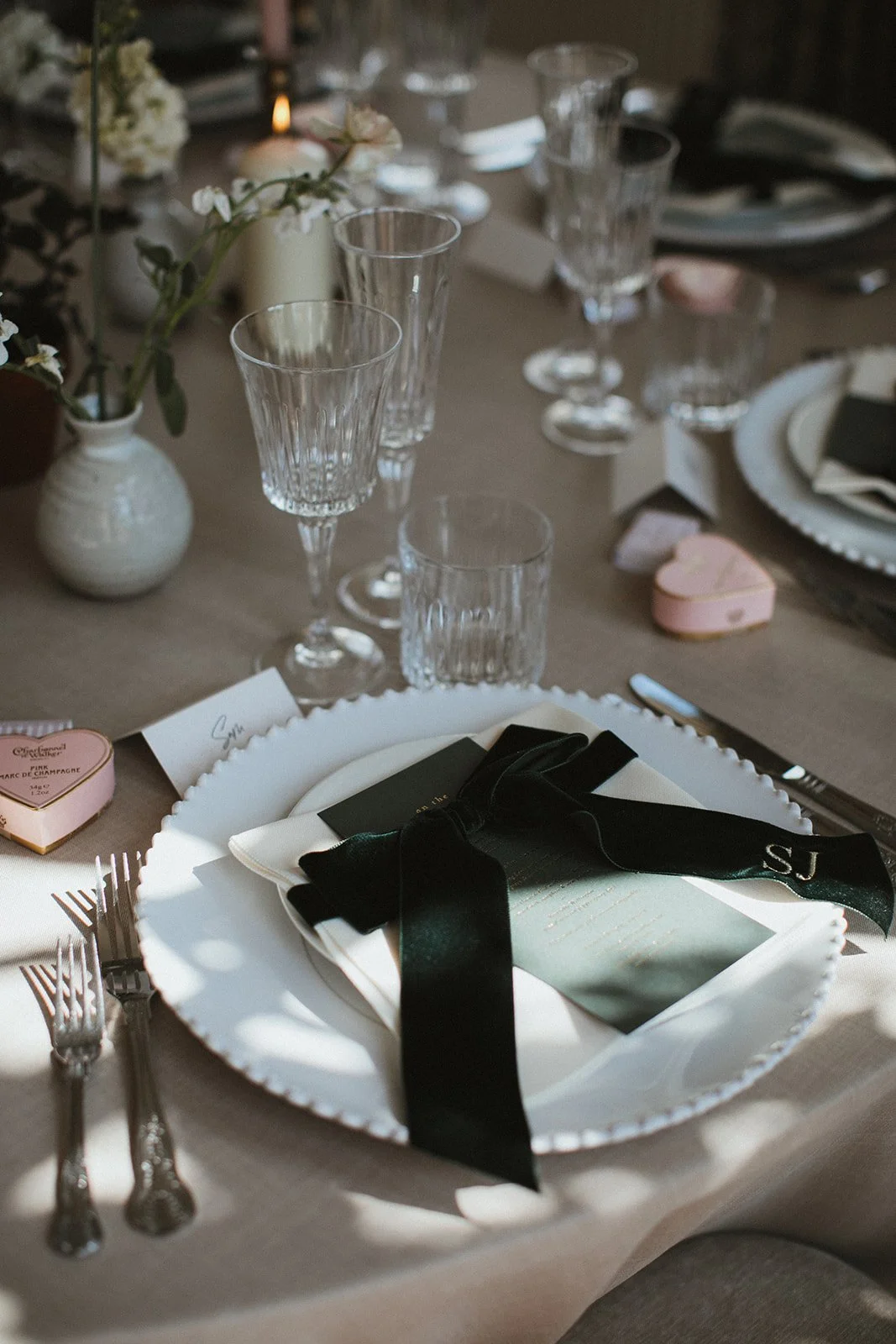
Your wedding stationery budget can extend much further than the initial cost of designing and printing your invitations.
Think about the full journey of your stationery, from the moment your save-the-dates land on your guests' doormats to the finishing touches on your wedding tables.
Some additional costs to consider include:
Postage, particularly for heavier invitations or international guests.
RSVP cards and return postage.
Additional inserts for accommodation, travel or weekend itineraries.
Order of the day cards and menus.
Place cards, table names and seating plans.
Welcome signage and other on-the-day stationery.
Last-minute printing or additional copies.
If you're dreaming of beautifully layered invitations, wax seals, ribbon details or bespoke finishes, these can also increase postage costs.
I always recommend speaking to your stationer about the complete stationery requirements early in the planning process. This gives you a clearer idea of the overall investment rather than budgeting for invitations alone and finding yourself adding lots of extras later.
3. Outfit Alterations & Accessories
Finding your wedding-day outfit is such an exciting part of the planning journey, but it's important to remember that the initial purchase price isn't always the final cost.
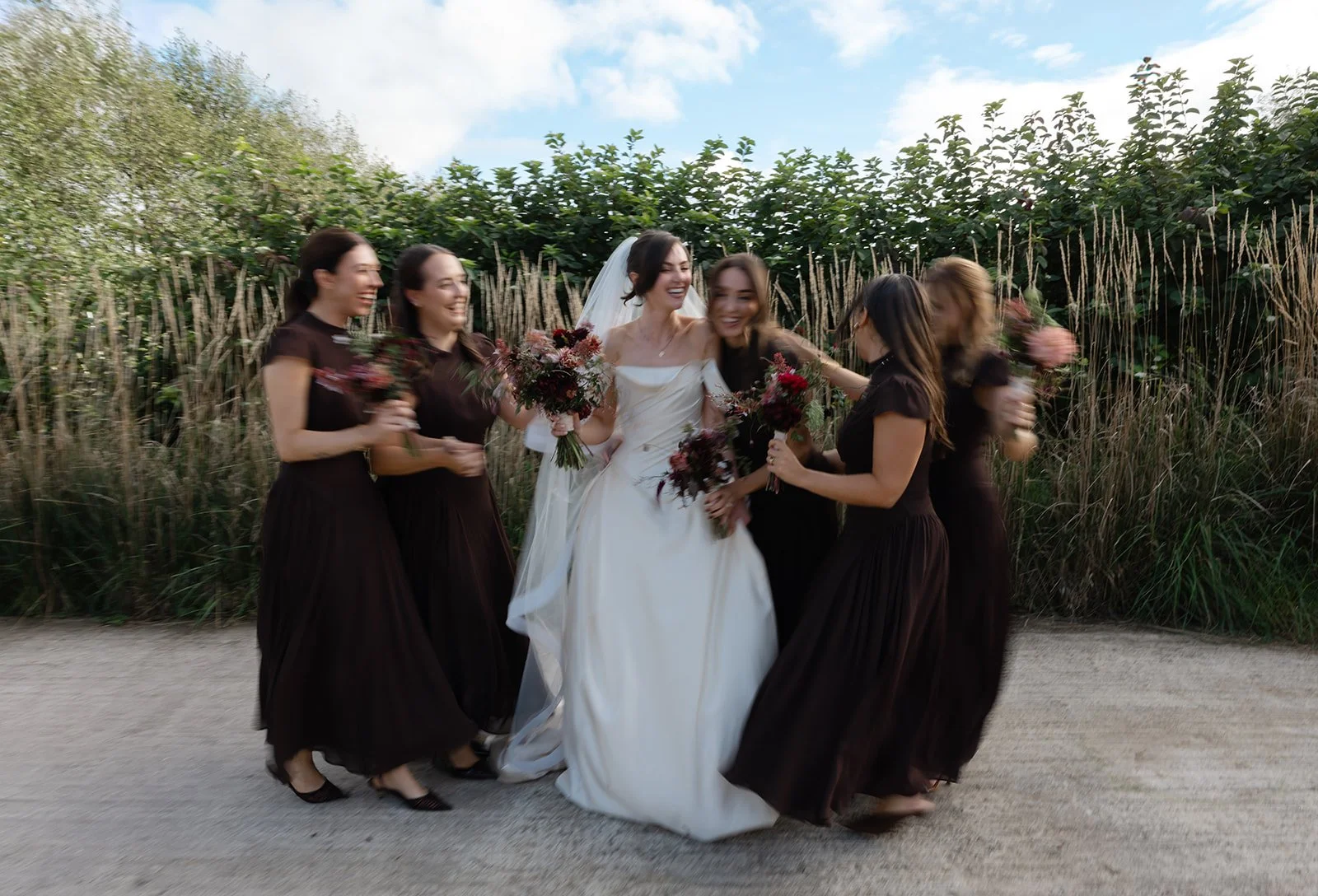
For brides, dress alterations can vary considerably depending on the style, fabric and level of adjustment required. Whether it's taking in the bodice, adjusting the hem, adding a bustle or making changes to the fit, it's worth allowing a little extra in your budget.
And then there are all those finishing touches that bring your look together!
Think shoes, veils, jewellery, hair accessories, underwear, getting-ready outfits and any additional accessories. For grooms and wedding parties, suit alterations, shirts, shoes, ties, pocket squares and other finishing details should also be considered.
My recommendation is to start thinking about these costs as soon as you begin shopping for your outfits. Ask boutiques and designers what is included in the purchase price and whether alterations are charged separately.
It's also worth remembering that alterations often require more than one appointment, so factor in the time and any associated travel costs too.
4. Transport & Accommodation
This is one I always encourage couples to think about early, particularly when planning a destination-style wedding in Cornwall or Devon.
It's easy to focus on how your guests will get to the venue, but have you thought about how you'll get there yourselves?
Depending on your wedding plans, transport and accommodation could include:
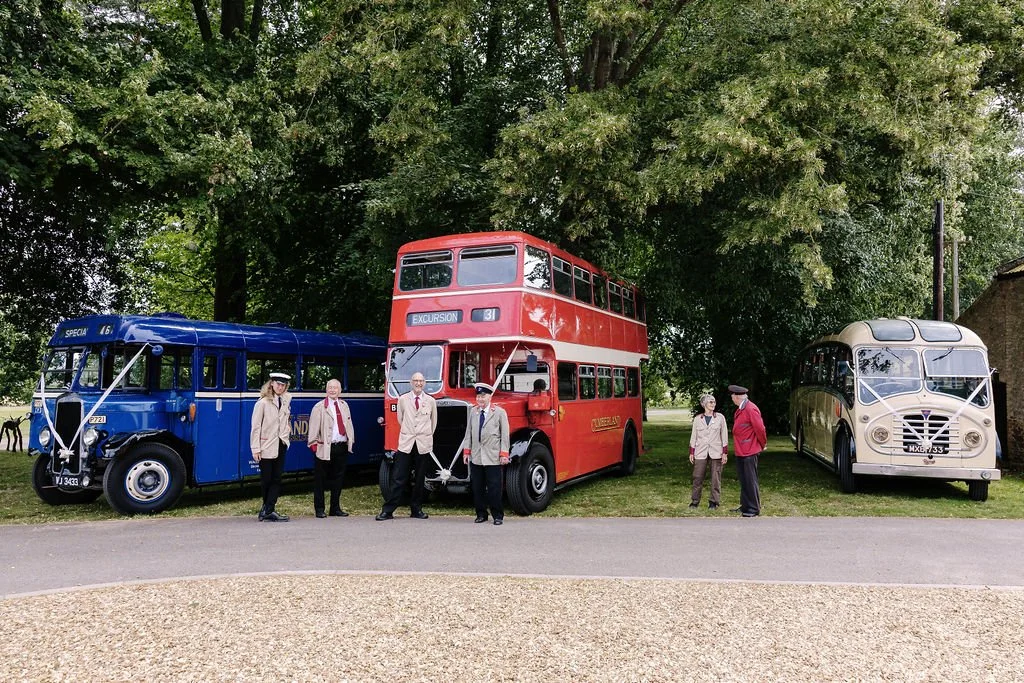
Guest coaches, minibuses or shuttle services.
Transport for the wedding party and immediate family.
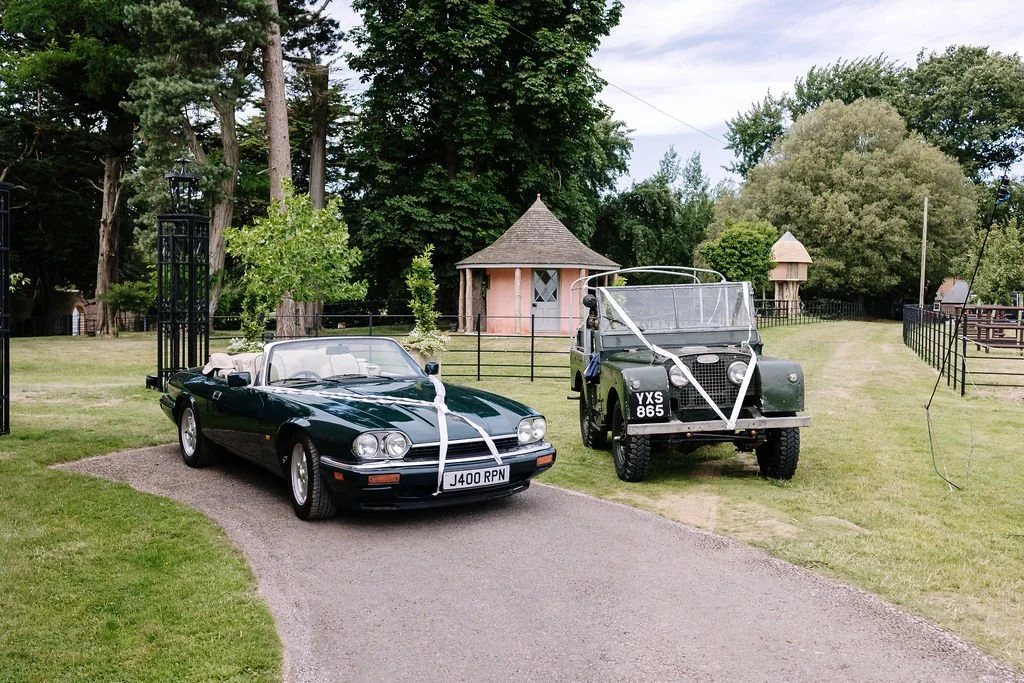
Your own wedding-day transport.
Supplier travel expenses or overnight accommodation.
Accommodation for the night before and night of the wedding.
Transfers between different venues or locations throughout the day.
In Cornwall and Devon, where many weddings take place in beautiful countryside settings, coastal locations and private estates, transport can be particularly important. Not every venue is easily accessible by public transport, and taxis may be limited in more rural areas.
If you're hosting a weekend celebration, think about how guests will move between accommodation, welcome drinks, the wedding venue and any post-wedding celebrations.
I'd recommend having these conversations as soon as your venue and approximate guest numbers are confirmed. It will help you understand the logistics, get accurate quotes and give guests plenty of time to organise their own travel arrangements.
5. Furniture & Additional Hire
One of the biggest things to establish when booking your venue is exactly what is included in your hire fee.
Some venues offer a fully furnished space, while others provide a beautiful blank canvas for you to transform. Neither is better than the other, but the difference can have a significant impact on your overall budget.
Depending on your venue and vision, additional hire might include:
Ceremony chairs and additional seating.
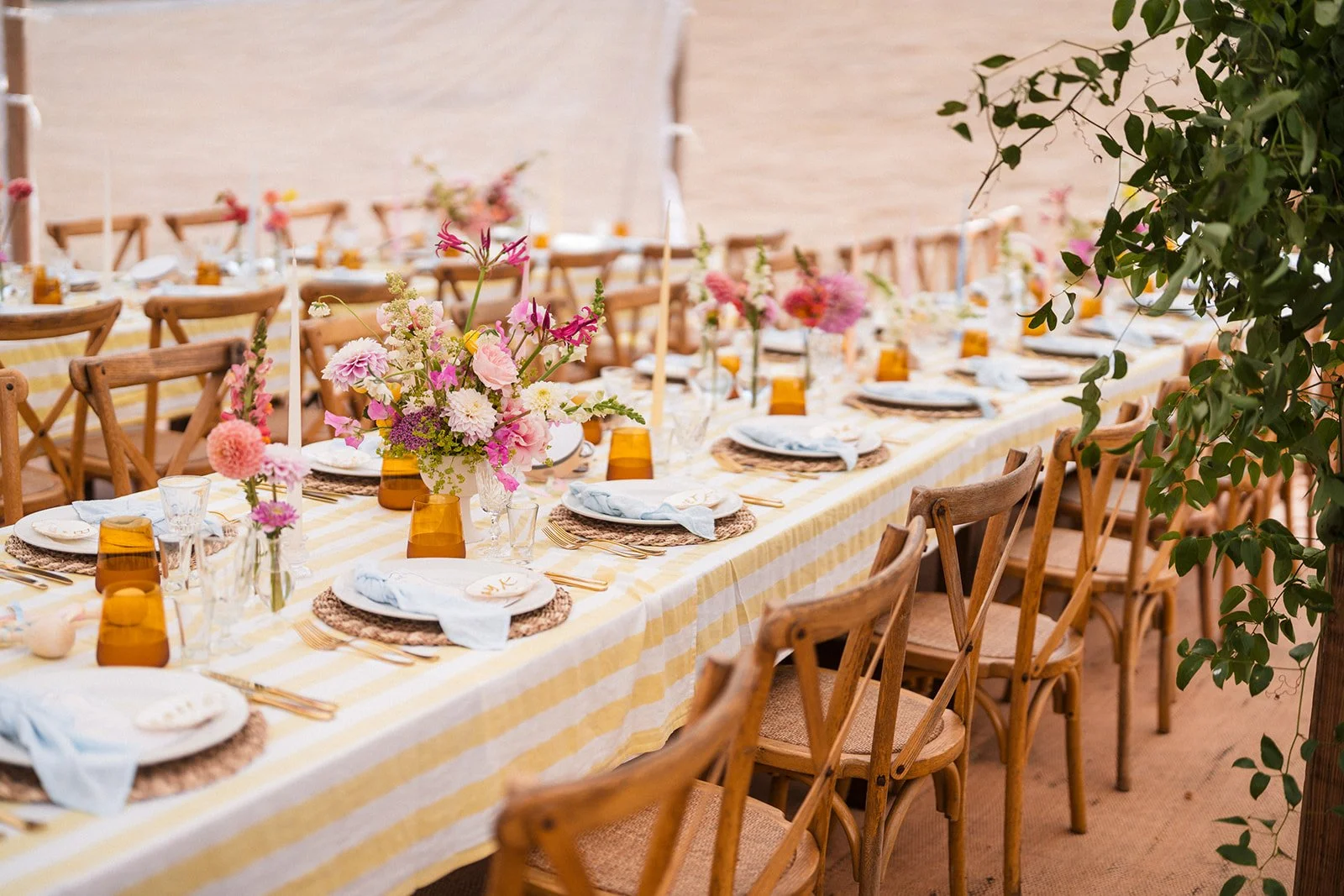
Dining tables and chairs.
Lounge furniture and relaxed seating areas.
Bar units and back bars.
Table linen, napkins and runners.
Crockery, cutlery and glassware.
Cake tables, welcome tables and display furniture.
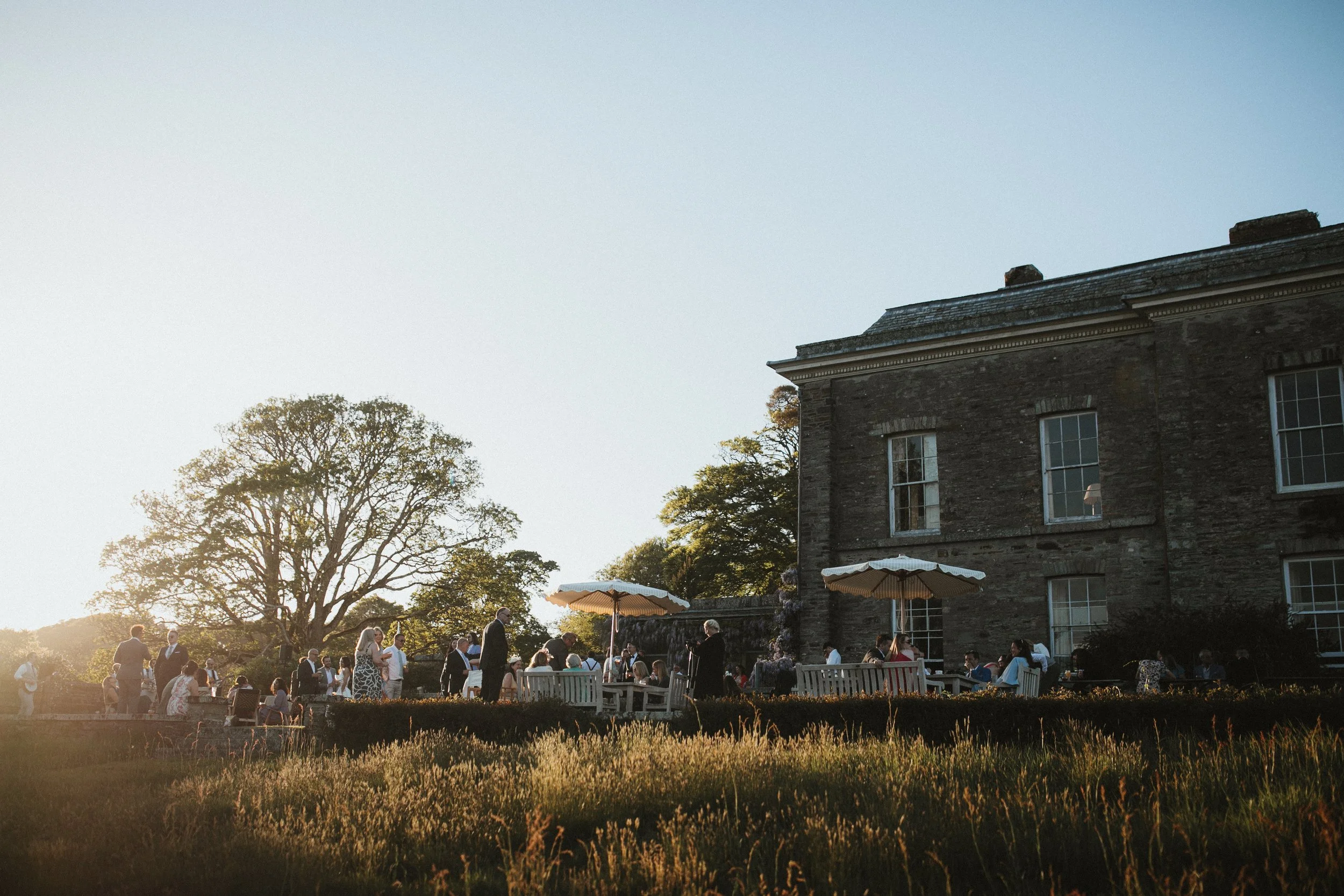
Outdoor furniture, parasols or additional structures.
It's also worth thinking about the smaller styling details. Perhaps you've imagined beautiful charger plates, statement candlesticks, champagne towers or a particular style of glassware. These details can make a real difference to the overall atmosphere, but they need to be accounted for.
My advice is to request a detailed inventory from your venue before making any additional hire enquiries. From there, you can identify what's already included, what you need and where you'd like to invest a little more to bring your vision to life.
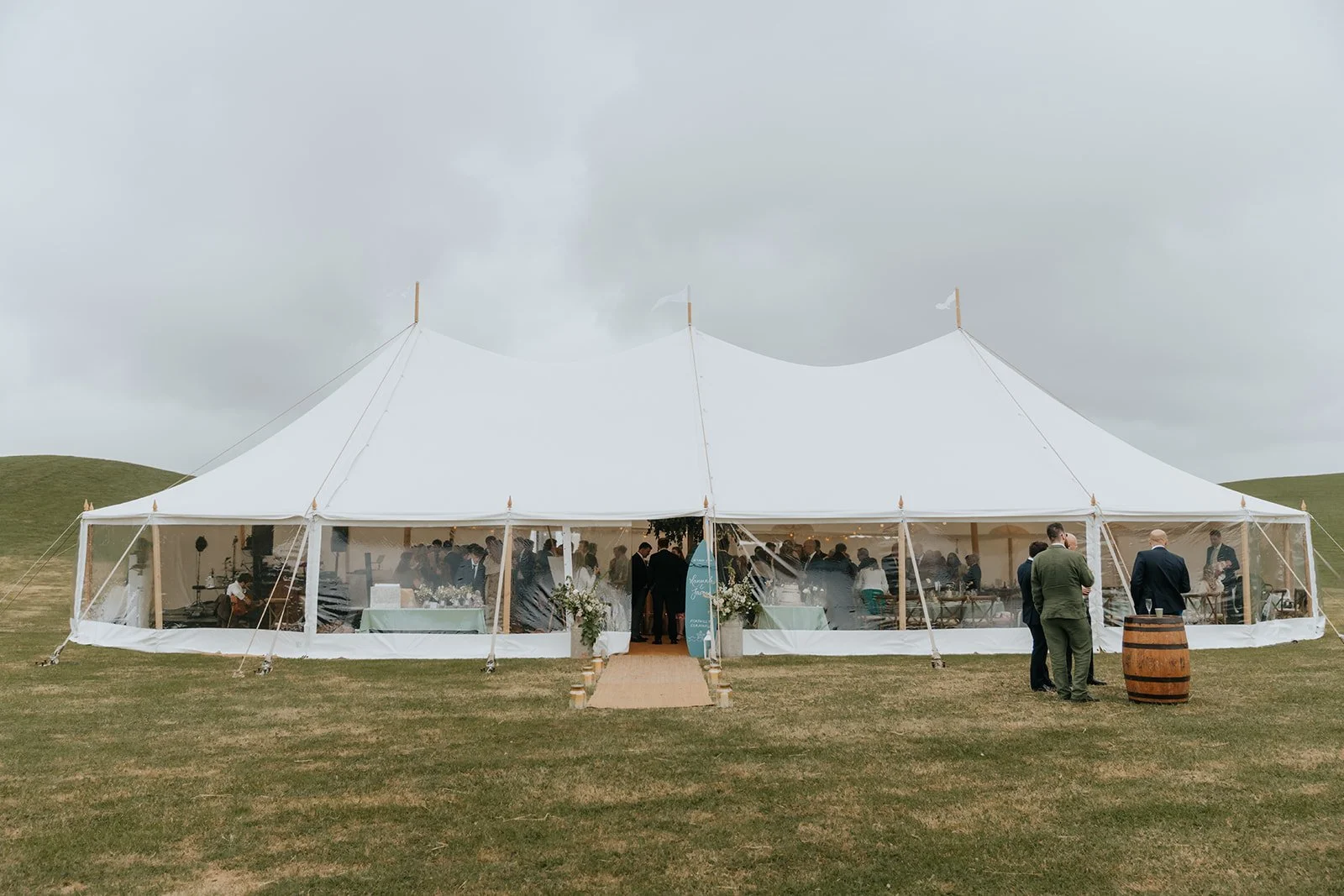
This is particularly important for marquee weddings, where almost everything may need to be brought in separately.
6. Delivery, Collection & Set-up
This is one of those wedding costs that can easily slip under the radar, particularly when you're working with several different suppliers.
You've sourced your furniture, booked your florist and found all those lovely styling details, but who is actually getting everything to the venue, putting it in place and collecting it afterwards?
Delivery and collection arrangements can vary considerably between suppliers. Some include them within their pricing, while others charge separately depending on location, access, timings and the amount of equipment involved.
Additional costs might include:
Delivery and collection fees.
Styling and set-up labour.
Furniture installation and room turnaround.
Supplier access outside standard working hours.
Late-night collection or next-day breakdown.
Additional labour for clearing and packing away.
For example, if you're hiring furniture for a marquee wedding, you'll need to establish when it can be delivered, who is responsible for installation and when everything needs to be collected.
The same applies to your flowers, stationery, signage and any personal styling items you're bringing to the venue.
I always recommend confirming these arrangements with each supplier before booking. Make sure you understand exactly what's included, who is responsible for each part and whether there are any additional labour or access charges.
As a Wedding Planner, this is something I pay particular attention to when creating the overall wedding schedule. Having a clear plan for deliveries, set-up and breakdown helps everything run smoothly, not just on the wedding day but in the lead-up and afterwards too.
7. Supplier Meals
Your wedding suppliers are often working behind the scenes for much longer than you might realise.
Your photographer, videographer, band, wedding planner and other members of your supplier team may be with you for the majority of the day, sometimes arriving early in the morning and staying until late into the evening.
It's important to consider who will need feeding and whether supplier meals are included within your catering package.
Some venues and caterers offer a reduced supplier meal rate, while others charge the standard guest price. Certain suppliers may also include their meal within their package, so it's always worth checking.
When reviewing your catering quote, ask:
How many supplier meals are required?
What is the cost per supplier meal?
Are supplier meals included in the catering package?
When and where will suppliers be served?
Are there any dietary requirements to consider?
I'd recommend checking this with your suppliers when confirming their booking and then sharing the final numbers with your caterer closer to the wedding.
It's a small detail, but making sure your supplier team is looked after is an important part of creating a well-organised wedding day.
8. VAT
And finally, something that can make a noticeable difference to your overall wedding budget: VAT.
Not all suppliers advertise their prices in the same way. Some provide VAT-inclusive quotes, while others display their prices excluding VAT.
If you're comparing two suppliers, it's really important to make sure you're looking at like-for-like costs. A quote that initially appears more affordable may work out differently once VAT has been added.
For example, a £2,000 quote excluding VAT at the current standard UK VAT rate of 20% would become £2,400.
That's an additional £400 to account for, which can make quite a difference when you're working across multiple suppliers.
Always check whether VAT is included in the initial quote and ask for a full breakdown before confirming your booking. If a supplier isn't VAT registered, they won't charge VAT, so don't automatically assume it's an additional cost.
My biggest piece of advice is to make sure your wedding budget reflects the final amount you'll actually be paying, rather than the headline figures you're initially given.
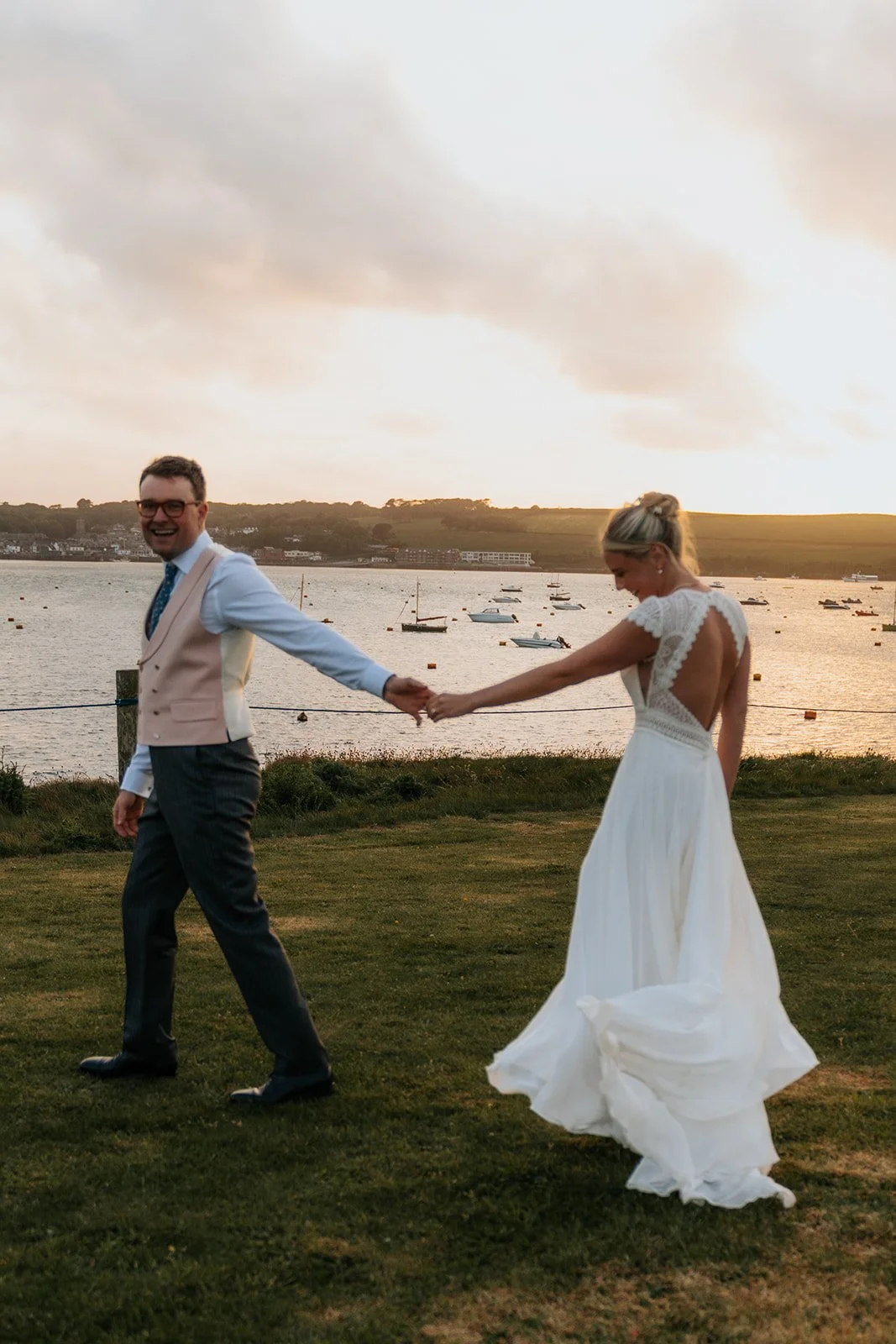
A little planning now goes a long way...
When it comes to wedding budgeting, it's rarely just about how much you're spending on each individual supplier. It's about understanding how all the different elements come together to create your overall investment. My advice is to start with a realistic budget, prioritise the things that matter most to you and leave a little breathing room for those additional costs that might crop up along the way.
I also recommend keeping a separate section in your budget for additional expenses. As you start booking suppliers, ask questions, review contracts and confirm exactly what's included. The more clarity you have from the beginning, the easier it becomes to make informed decisions. And remember, you don't need to have every detail figured out straight away. Wedding planning is a process, and having someone experienced alongside you can make navigating the details feel much more manageable.
At Tide the Knot, I believe the best weddings aren't necessarily about spending more; they're about spending thoughtfully on the things that matter most to you. Whether you're planning a coastal celebration in Cornwall, a countryside wedding in Devon or a weekend-long celebration somewhere across the South West, a little forward planning will help you enjoy the journey just as much as the day itself.
Happy planning!
Jess x
Founder & Wedding Planner, Tide the Knot Wedding Planning
Photo credits:
Photos 1 - 3: Adam and Adam | Place Estate, Portscatho, Cornwall
Photo 4 & 5: Ash Powell Photography | Boconnoc Estate
Photo 6: Lou Weddings | Trevibban Mill
Photo 7 & 8: Stu Tucker Photography | Family home in Somerset
Photo 9: Ash Powell Photography | Boconnoc Estate
Photo 10 & 11: Nick Pumphrey | Pendeen Village Hall, Penzance, Cornwall
Photo 12 & 13: Wild Tide Love | Porthilly Farm, Rock, Cornwall
